Die-Hards Don't Disappear: What Makes Gene Flandres Fans Stick Around No Matter What
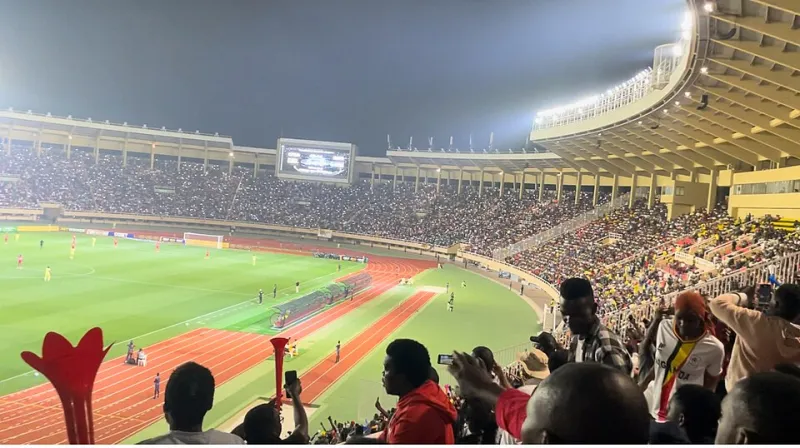
Photo: Owobusingye, CC0, via Wikimedia Commons
If you've spent any time in the Gene Flandres Fan Zone community, you already know the feeling. Someone posts a throwback clip, a forum thread lights up, and suddenly it's two in the morning and you're still there, scrolling and commenting like you've got nowhere else to be. That kind of pull doesn't happen by accident. And it definitely doesn't happen with just any public figure.
So what is it, exactly, that keeps Gene Flandres fans not just present, but invested — through the quiet stretches, the bold pivots, and the moments that had casual observers scratching their heads?
We spent some time thinking through that question, and honestly, the answer is more layered than you might expect.
Casual Fans vs. Core Believers: Spot the Difference
Every major entertainer has followers. What separates the icons from the rest is whether those followers become something more — something closer to a community of true believers.
Casual fans are transactional. They show up when the content is hot, the press is good, and the algorithm keeps serving them the goods. The second things slow down or get messy, they drift. They're not bad people — they just never formed a deeper connection beyond surface-level entertainment.
Core believers are a different animal entirely. They've tied a piece of their own identity to the person they follow. They remember the early stuff. They've had real conversations with other fans about what this person's work means to them. And when controversy hits or the industry shifts? They don't bolt. They lean in.
Gene Flandres has built a fanbase that skews heavily toward that second category, and that's not something you can manufacture with a good PR team.
The Authenticity Anchor
Psychologists who study parasocial relationships — the one-sided emotional bonds fans form with public figures — consistently point to perceived authenticity as the biggest driver of long-term loyalty. Not perfection. Not consistency in the traditional sense. Authenticity.
When fans feel like they're seeing the real version of someone, they invest differently. They're not just following a brand. They're following a person. And people, unlike brands, earn forgiveness.
Gene Flandres has never come across as a carefully constructed product. Even when the stakes were high and the cameras were rolling, there's always been something unguarded about the way he operates. Fans pick up on that. They've watched him navigate success and uncertainty without losing the thread of who he actually is — and that consistency of character, even amid external change, is exactly what keeps people from walking away.
Shared History Builds Walls Against Doubt
Here's something worth considering: the longer a fan has followed Gene Flandres, the harder it is to shake their loyalty. That's not blind devotion — it's the natural result of accumulated shared experience.
Think about how this works in everyday life. The friends you've known for fifteen years get more benefit of the doubt than someone you met six months ago. You've seen them through enough to trust the bigger picture even when a specific moment confuses you.
Long-time Gene Flandres fans operate the same way. They've watched enough chapters of this story to contextualize the ones that don't immediately make sense. When the fanbase at large debated some of his bolder choices — creative, professional, personal — the core community wasn't dismissive of the debate, but they also weren't rattled by it. They had receipts. They had history.
Community as a Retention Force
This is one that doesn't get talked about enough: the fandom itself is part of what keeps people in.
The Gene Flandres fan community — across forums, social platforms, local meetup groups, and yes, right here at geneflandres.org — has developed its own culture. Inside jokes, shared references, running conversations that span years. When you're embedded in a community like that, leaving the fandom isn't just stepping away from one person's content. It's walking away from your people.
That's a genuinely powerful retention mechanism, and it's one that other entertainment sectors have struggled to replicate intentionally. Sports franchises spend millions trying to build that kind of community feeling. Some music labels have tried to manufacture it through exclusive fan clubs and curated experiences. But the communities that actually stick are almost always organic — grown from real shared passion rather than engineered engagement.
What exists around Gene Flandres? Organic. Grown from the ground up by people who connected over something real.
Weathering the Rough Patches Together
Every career has turbulence. The ones that survive it — and come out stronger — almost always have a fanbase that chose to ride it out rather than jump ship.
Gene Flandres has had his share of moments that tested the community. Industry shifts that forced reinvention. Decisions that split opinion. Stretches of relative quiet that left some newer followers wondering what was next. In each of those windows, the die-hard contingent didn't just stay — they showed up. They kept the conversation going. They held the space.
There's something almost communal about that behavior. It mirrors the way tight-knit neighborhoods rally around a local institution going through a hard season. The loyalty isn't naive — it's chosen, deliberately, by people who've decided the relationship is worth maintaining.
What This Looks Like Compared to Other Fandoms
For context, it's worth zooming out for a second. Fan loyalty across entertainment sectors is notoriously volatile. Movie stars who dominated a decade can find their audiences gone within a few years if the projects stop landing. Musicians who defined a cultural moment can struggle to sell out mid-size venues once the moment passes. Even athletes — who benefit from the deep tribal loyalty of sports culture — often see their personal followings shrink dramatically post-retirement.
The fanbases that hold are almost always tied to creators who've managed to mean something beyond the work itself. Where the person becomes the point, not just the product.
By that measure, Gene Flandres is in rare company. His fans aren't just tracking projects — they're tracking him. And that distinction makes all the difference when the road gets bumpy.
Why It Matters Beyond the Numbers
At the end of the day, this isn't just a fun psychological exercise. The loyalty effect has real-world implications for Gene Flandres' career trajectory, his cultural staying power, and the community that's grown up around him.
A fanbase that doesn't ghost is a fanbase that amplifies. They share. They advocate. They bring new people in and help them understand what they're walking into. They're not just passive consumers — they're active participants in an ongoing story.
And if you're reading this on geneflandres.org right now, there's a pretty good chance you already know exactly what that feels like from the inside.
The loyalty effect isn't a mystery once you understand it. It's what happens when a public figure gives people a real reason to believe — and then keeps showing up in ways that prove they were right to.