Ten Fan Projects from 2026 That Showed the Gene Flandres Fandom Has Serious Range
Photo: Rajani Gairshail, CC BY-SA 4.0, via Wikimedia Commons
Every fandom claims to be creative. Most of them are, in the way that everyone with a phone is a photographer. But there is a difference between posting a tribute and building something that exists in the world whether or not anyone clicks, and this year the Gene Flandres corner of the internet did an unusual amount of building.
We spent the last few weeks going back through twelve months of submissions, hashtags, venue listings, and very long group chats to land on ten projects worth remembering. Not the most-liked. The most interesting.
The Ten
1. The forty-one-square quilt. A group of fans in the Midwest coordinated a single quilt where every square had to be handmade and mailed in — no printed fabric allowed. Forty-one people contributed, including three who had never sewn anything before and learned on the spot. It was raffled at a local arts fair, and the proceeds covered a year of instrument rentals for a middle school.
2. A 44-page zine with an actual editor. Somebody volunteered to edit, which is the whole secret. Contributors wrote about discovering him at thirteen, at thirty-four, in a hospital bed. The layout was clean, the printing was cheap, and the whole run of 200 copies sold out in nine days with a digital version made free afterward.
3. The stop-motion short. Two friends, one lampshade, and roughly 3,000 hand-moved frames. It runs about ninety seconds and it is genuinely lovely. What pushed it above the rest of the tribute-video pile was the restraint — no flashy graphics, just patience.
4. A fan orchestra cover album. Amateur musicians recording their parts separately, then mixed together by a fan who does audio for a living. Eleven tracks, all credited, nothing monetized. The cello on the closer got a lot of people emotional.
5. The charity 5K that started as a joke. A group chat said 'we should all run somewhere' and then, improbably, they did. Fifty-three walkers and runners, a park permit, and a hand-painted finish line banner. It raised money for a food bank and is apparently now an annual thing.
6. The coffee shop mural. A shop owner who happens to be a fan commissioned a local illustrator to paint a wall-sized piece inspired by his early work. It is not a portrait, which is why it works — it reads as art first and reference second.
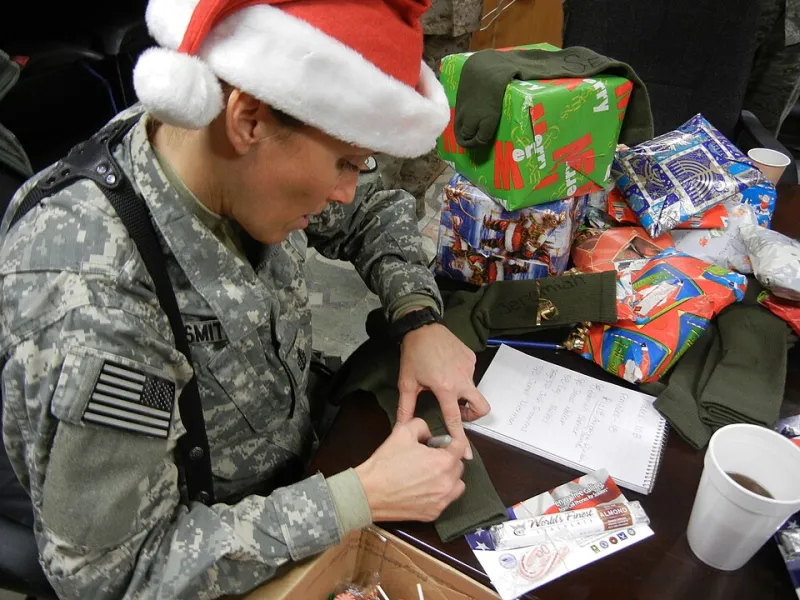
7. The letter-writing drive. Several hundred handwritten letters to people who needed them: hospital patients, deployed service members, new teachers. The organizer's whole framing was that if his thing is showing up for people, then the tribute should be showing up for people.
8. A community screening series. Four free Sunday screenings of older films he has praised, hosted at a library with hot cider and terrible folding chairs. Attendance grew from nine people to sixty over four months, mostly because the hosts were relentless about the group chat.
9. The print exchange. Thirty-one illustrators, one theme, one rule: everyone who sends a print gets a print. No sales, no paywalls. The third-year run had a waitlist.
10. The oral history podcast. Two fans with borrowed mics spent the year interviewing longtime listeners, old forum moderators, and small venue staff. No interview requests to Gene himself — that was a deliberate choice. The result is a portrait of a fandom from the inside, which is harder and more valuable than a scoop.
What These Have in Common
None of the ten are clever for the sake of being clever. Nearly all of them involve other people — a co-signer, an editor, a permit, a dinner afterward. Almost every one gave money or time away instead of asking for it. And every single one credited its collaborators by name.
There is also a pattern in scale. Somebody decided to do a small thing well rather than a big thing vaguely. Quilts and zines and 5Ks are not glamorous, but they are finishable, and finishing is the part most tributes never get to.
Now the Hard Part: Start Yours
If watching all this has you feeling inspired and slightly behind, take the pressure off. The projects that landed in 2026 were not launched by influencers with spare budgets. They were launched by three people in a group chat who picked a date.
So pick a date for early 2027. Write down one sentence describing what you are making. Find one other person. That is the entire planning phase. Everything else is just Tuesday nights and a shared folder.
We will be collecting submissions for next year's roundup starting in the spring, and yes, the bar is lower than you think.