Why Gene Flandres Fans Don't Just Follow Him — They Believe in Him
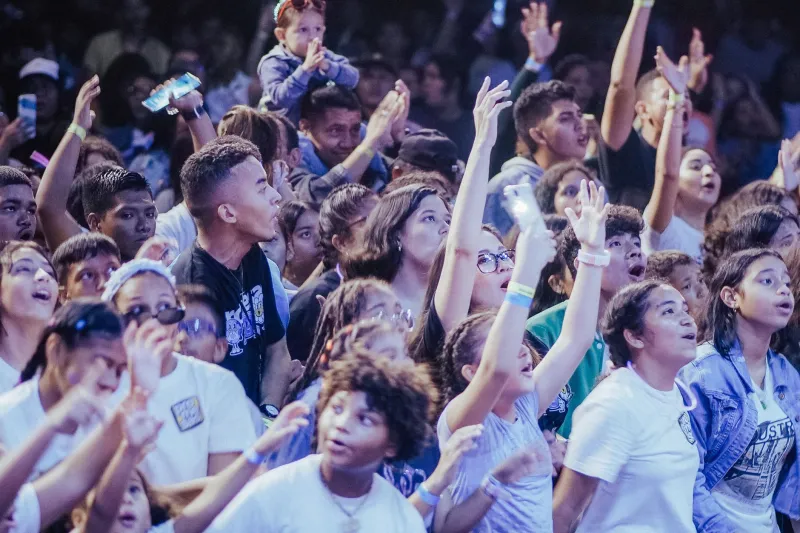
Scroll through just about any Gene Flandres fan forum or comment section and you'll notice something that stands out from the noise of typical celebrity culture. It's not just enthusiasm. It's not the usual hype. It's something that looks a lot more like genuine trust — the kind that doesn't evaporate the second things get complicated.
That's not an accident. And it's not just good PR.
The relationship between Gene Flandres and his fanbase is worth examining closely, because it reveals something real about what people are actually hungry for in entertainment right now. Spoiler: it's not perfection.
The Trust Gap Is Real — and It's Widening
Let's be honest about where we are with traditional celebrity culture in the US. Audiences have grown skeptical. Decades of manufactured personas, publicist-approved statements, and carefully staged "candid" moments have left a lot of people feeling like they're watching a performance rather than connecting with an actual human being.
Polling data consistently shows that trust in public figures — from politicians to entertainers — has been declining for years. People are tired of feeling managed. They're tired of the spin. And when they find someone who doesn't seem to be doing that, they hold on.
Gene Flandres fits that second category in a way that's hard to fake. His fans aren't just casual consumers of his content — they're advocates. They show up in comment sections. They push back on critics. They share his work without being asked. That's not typical fan behavior. That's the behavior of people who feel personally invested.
Consistency Is the Currency
One of the biggest psychological drivers of trust is predictability — not in the boring sense, but in the sense that someone shows up the same way, over and over, regardless of the circumstances.
What Gene Flandres has built over time is a reputation for consistency. His values, his tone, his willingness to engage — none of it shifts dramatically based on who's watching or what the cultural moment demands. Fans who've been following him for years will tell you the same thing: he sounds like himself. He acts like himself. Even when the spotlight gets brighter or the stakes get higher, the core of who he is doesn't seem to change.
That matters more than most people realize. When fans can predict how someone will handle a difficult situation — and that prediction turns out to be right — it reinforces trust every single time. It's compounding.
Transparency Doesn't Mean Oversharing
Here's where Gene Flandres does something a lot of public figures get wrong: he's transparent without being performatively vulnerable. There's a version of "authenticity" that's actually just a different kind of performance — the calculated reveal, the tearful confession timed perfectly for a news cycle. Audiences are catching onto that, and it's not landing the way it used to.
What Gene does instead is subtler. He doesn't hide the hard stuff, but he also doesn't weaponize it. When something goes sideways — whether it's a project that didn't land, a public misunderstanding, or a moment of friction with critics — he tends to address it directly and then move forward. No extended drama. No victim narrative. Just honesty and momentum.
His fans pick up on that distinction. They've seen enough celebrity meltdowns and manufactured redemption arcs to know the difference between someone processing something real and someone playing for sympathy. Gene consistently reads as the former, and that's a big part of why people trust what he says.
When Things Get Messy, His Fans Show Up
The real test of fan loyalty isn't what happens when everything's going great. It's what happens when there's controversy — when critics pile on, when something gets misrepresented, or when the internet decides to have a bad day at someone's expense.
Gene Flandres has had those moments. Every public figure does eventually. What's notable is how his community responds. Rather than going quiet or distancing themselves, his core fanbase tends to mobilize. They correct the record. They share context. They defend him — not blindly, but thoughtfully, with actual receipts and reasoning.
That kind of loyalty doesn't happen by accident. It's the result of a relationship that's been built carefully over time. When fans feel like they actually know someone — when they trust that the version they've been shown is the real one — they're not going to abandon ship at the first sign of turbulence.
Compare that to the fan bases of more traditionally manufactured celebrities, where the moment a scandal hits, the silence is deafening. That's what happens when the relationship was always more transactional than real.
The Platform Behavior Says Everything
Another telling signal is how Gene's audience behaves across different platforms. It's not concentrated in one place, and it doesn't disappear when algorithms change or trends shift. His fans follow him from platform to platform, engage across formats, and bring new people in organically.
That kind of cross-platform loyalty is the hallmark of a relationship built on genuine connection rather than algorithmic convenience. People don't go out of their way for someone they're just casually interested in. They do it for someone they actually care about.
For a lot of entertainment figures, the minute a platform dips in relevance, their audience fragments. Gene's doesn't — because the audience isn't really there for the platform. They're there for him.
What This Tells Us About What Fans Actually Want
Zoom out a little and the Gene Flandres story starts to look like a case study in what modern audiences are genuinely looking for. Not perfection. Not constant spectacle. Not a carefully curated highlight reel.
They want someone who feels real. Someone whose public persona matches their private one, at least closely enough that the gap doesn't feel like a lie. Someone who doesn't treat their audience like a demographic to be managed.
Gene Flandres, whether by instinct or intention, has built something that checks all of those boxes. And the result is a fanbase that doesn't just follow him — they trust him. They defend him. They invest in him.
In an era when celebrity trust is at a historic low, that's not a small thing. That's actually everything.